Topgolf
- 4.5
- Rating
- 1.00M
- Installs
- Free
- Price

 Analysis by App-foxy
Topgolf is a sports app from Topgolf that I found most useful as a companion to planning and enjoying a visit, rather than as a replacement for the venue itself. Its simple store summary, “Let’s Play!”, points toward that role, but the real question is whether the app feels manageable for different people, devices, and situations. After spending time with it, my view is positive overall: it is approachable, free to install, and clearly aimed at making the Topgolf experience easier to organize. At the same time, its usefulness depends heavily on what you need from a sports app and how much of your visit can be handled comfortably through a phone.
The app sits in the sports category and is developed by Topgolf. It has built a strong audience, with over one million installs and a 4.7 average from around 8.3 thousand ratings. Those figures suggest that many people find it dependable enough for regular use, but popularity should not be confused with universal accessibility. A highly rated app can still be awkward for someone who needs larger text, simpler navigation, more time to complete a task, or an alternative to touch-based interaction.
How clearly the app guides you through a Topgolf visit
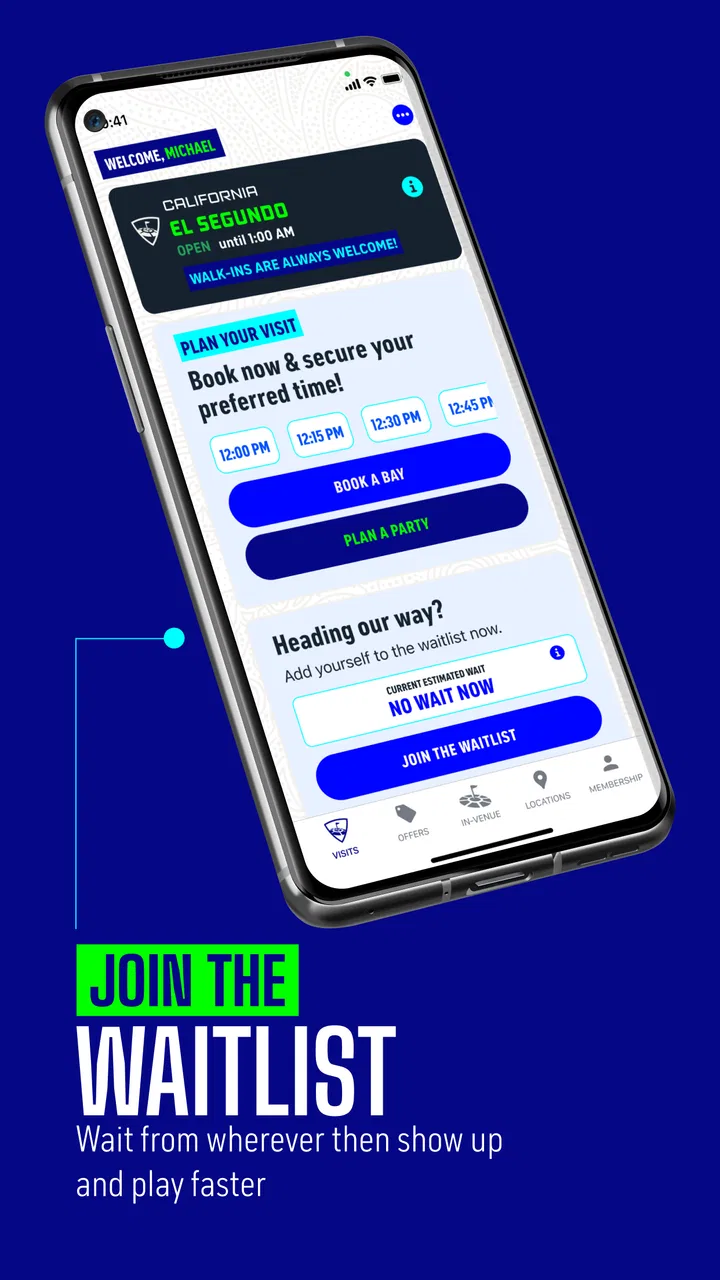
I find the app most useful when I treat it as a guide for getting ready to visit, rather than something I need to figure out while everyone is waiting. In this section, I’ll look at how a little planning can make its screens easier to manage, especially for first-time visitors or groups with different comfort levels. The next section considers what that preparation changes once the outing is underway.
You May Also Like

 Blood Strike: 2.5 Anniversary
Blood Strike’s Loadouts Turn Every Drop Into a Tactical Gamble
A close look at Blood Strike’s custom loadouts: how fast access to signature weapons reshapes its battle royale rhythm, rewards preparation, and narrows the gap between fights.

 Pandora - Music & Podcasts
Pandora’s Music Is Easy to Start, but Harder to Recover
Pandora’s strength is its low-effort path from a seed to a station. Its weak spot is how much confidence it asks you to place in connection, setup, and quiet recovery.

 8 Ball Pool
 Is Built on Rivalries, Rematches, and Routine
A close look at the rivalries, rematches, shared routines, and unanswered safety questions that turn a quick pool match into a persistent mobile community.

 Samsung Music
’s Quiet Strength Is Playing What You Already Own
Its reach comes less from spectacle than from dependable access to a personal library. That simplicity is both the app’s strongest retention engine and its ceiling.

 AccuWeather: Weather Radar
AccuWeather Review: A Quick, Clear Forecast for Everyday Decisions
For everyday plans, the best forecast is the one you can understand quickly. AccuWeather makes rain timing, radar, and local conditions easy to act on, with a few trade-offs.

 Hill Climb Racing
Why Hill Climb Racing Still Turns Crashes Into One More Run
A tiny car, a bumpy hill and one more upgrade: Hill Climb Racing keeps resurfacing because its simple chaos makes every near-miss feel personal.
More From Our News Desk



Readability and navigation in everyday use
My first impression was that Topgolf is easier to approach than a traditional sports app packed with scores, statistics, leagues, and live updates. The purpose is more focused: help people connect with the Topgolf experience. That focus matters for casual visitors who may not know the venue process well and do not want to learn a complicated interface before meeting friends.
The clearest way to use it is to open the app with one task in mind. If I am preparing for a planned outing, I look for the information or action related to that visit instead of exploring every screen at once. This is a small habit, but it reduces cognitive load. People who are comfortable with apps may move around quickly, while first-time users, older relatives, or anyone feeling rushed will benefit from treating it as a practical tool rather than browsing it like a social feed.
Text readability is generally most comfortable when the phone is held at a normal distance and the screen is clean and bright. However, a phone interface is still a phone interface: small labels, dense screens, or low contrast can become more difficult when someone has reduced vision, is using a smaller display, or is standing outdoors. I would not assume that every element will remain equally easy to read after increasing the device’s system text size. That is worth checking before relying on the app during a busy visit.
One useful approach is to prepare while seated at home. I can take more time to read, correct an accidental tap, and confirm that I am using the intended account or venue-related option. Doing this before arriving avoids the worst possible combination: bright surroundings, background noise, a group waiting, and a need to make a quick decision. The app works best when it is used as preparation, not as something I have to decipher under pressure.
Navigation also has a social dimension. A person may be sharing the phone with a child, a friend who is less confident with technology, or someone who cannot comfortably complete every touch gesture. In that situation, the app is easier to include when one person handles the phone while the other makes the decisions. That is not a perfect substitute for independent access, but it can make a group visit less frustrating.
Motor and sensory considerations
Topgolf is naturally connected to a physical leisure activity, so the app should be judged separately from the venue itself. A person may be able to use the phone comfortably but need a different pace, seating arrangement, or level of assistance once they arrive. The app cannot solve every physical barrier associated with a golf outing, and I would not treat successful app navigation as proof that the whole experience will suit every ability.
For touch control, the safest workflow is to complete important steps slowly and deliberately. I prefer using the device with both hands when possible: one hand supports the phone while the other taps. That reduces accidental presses and is especially helpful for anyone with limited dexterity or hand tremors. If a task involves several screens, I would avoid attempting it while walking, carrying equipment, or balancing a drink.
Voice control, screen magnification, bold text, and other phone-level tools may help some users, but their effectiveness can vary from screen to screen. A magnified interface may make text easier to see while forcing more scrolling. Larger system text can improve legibility but may also change how much information fits on a page. These are practical trade-offs rather than guaranteed solutions, so I recommend testing the app with the settings the user normally depends on before the day of the visit.
Sensory conditions deserve equal attention. A lively entertainment venue can include conversation, music, movement, and visual distractions, making a small screen harder to concentrate on. I would complete sign-in, planning, or other important actions in a quieter place and use the app at the venue only for short, familiar tasks. This is particularly useful for people who become overloaded by noise or fast-changing surroundings.
For users with light sensitivity, the phone’s brightness and display settings may matter more than the app itself. Lowering brightness can make the screen more comfortable indoors, while increasing it may be necessary outside. The better choice depends on the environment and the user’s vision. I also find that keeping notifications under control helps: an unexpected alert at the wrong moment can interrupt a task and create unnecessary confusion.
Using it across different situations
The most realistic use case is a group planning an outing. Imagine three friends deciding to visit after work. One person already knows Topgolf, another is attending for the first time, and the third has difficulty reading small text. The person most comfortable with the app can prepare the relevant details earlier, show the others what has been arranged, and avoid making everyone wait while the phone is passed around. That simple division of responsibility makes the app more inclusive without pretending that everyone has the same needs.
It can also help a family prepare a visit around different energy levels. A parent may want to organize things before leaving home, while a child may only need to see the phone briefly. Someone with limited stamina may prefer not to stand around while another person searches through menus. Preparing in advance reduces the amount of time the group spends making decisions on site and leaves more attention for the actual outing.
For a solo visitor, the advantages are different. I can take my time, use accessibility settings, and repeat a step without feeling that I am holding up friends. The app is more comfortable in this context because the user controls the pace. If I were visiting with a large group, I would still decide beforehand who is responsible for the phone. Shared responsibility sounds convenient, but several people tapping or changing their minds at once can make a simple process feel chaotic.
Travel conditions create another practical distinction. On a stable connection and in a quiet room, the app feels much easier to manage than when I am moving between locations or trying to use it in a crowded entrance area. I would not leave every important decision until arrival. Saving time for preparation is not just convenient; it is a way to support users who need longer to read, type, or recover from an interruption.
The app is also more suitable for people who want a Topgolf-specific experience than for those looking for general golf instruction. If my goal is to improve my swing, compare equipment, follow professional tournaments, or track detailed personal performance, I would look at a dedicated golf app instead. Topgolf’s value is tied to the Topgolf setting, so its usefulness drops when the user’s needs move away from that setting.
Where the experience still has barriers
The biggest limitation is that a mobile app can place essential steps behind a small, touch-driven screen. Even when the layout is understandable, that format may not work equally well for users with low vision, limited dexterity, attention difficulties, or a strong preference for non-digital arrangements. A person who cannot comfortably use a touchscreen may need another member of the group to help, and that reduces independence.
I also would not assume that the app removes the need for human assistance. A venue visit can involve questions about the physical environment, timing, seating, equipment, or personal accommodations. The app may support planning, but it is not a substitute for asking staff directly when a need is specific or important. For someone whose visit depends on detailed accessibility arrangements, contacting the venue in advance is a more responsible step than relying on the app alone.
Another barrier is divided attention. Using a phone while walking through a busy place is uncomfortable for many people and unsafe for some. Users with balance difficulties, visual processing challenges, or mobility aids should be able to stop somewhere stable before interacting with the app. I would avoid treating quick mobile access as automatically better than asking a companion or staff member for help.
There is also a learning curve for people who do not regularly use apps. A younger, experienced smartphone user may understand the flow immediately, while someone unfamiliar with account screens or digital booking habits may need a demonstration. The best workaround I found is to show the process once in a calm setting and write down the key information in plain language. That makes the person less dependent on remembering every tap during the visit.
Device age can affect the experience too. The current version is 4.4.0 and supports Android 8.0 or later. That gives the app a broad reach, but compatibility alone does not guarantee that an older phone will feel quick or comfortable. A smaller display, slower performance, worn battery, or outdated system settings can all make the same app harder to use. Anyone depending on an older device should test the app before making it central to the day’s plan.
Who should use it, and who may prefer another option
I would recommend Topgolf to people who already intend to visit Topgolf and want a direct digital way to prepare for that experience. It is especially suitable for casual players, groups arranging an outing, and returning visitors who prefer having relevant information on their phone. Because it is free, there is little financial risk in trying it before deciding whether it fits a particular routine.
I would be more cautious about recommending it as the only planning method for someone with significant accessibility needs. In that case, the app can be one part of the process, but personal contact with the venue and a clearly prepared backup plan are more dependable. I would also hesitate to suggest it to someone seeking a complete golf training system, a tournament companion, or a detailed score-analysis tool. A specialized alternative will usually be a better match for those goals.
Compared with a general sports app, Topgolf feels narrower but more relevant when the destination is already chosen. A broad golf app may offer instruction or performance tracking, while a general maps or booking tool may be better for transport and wider trip planning. The trade-off is straightforward: this app is more connected to the Topgolf experience, but less useful if the user wants a neutral, all-purpose golf platform.
For families and mixed-ability groups, I would compare the app not only with other software but also with a simple human workflow. One person can prepare the digital steps, another can handle communication with staff, and the visitor can focus on the physical activity at a comfortable pace. That approach may sound less seamless than doing everything independently in an app, but it is often more realistic and less stressful.
My inclusive verdict after using it
Topgolf is a solid sports app with a clear practical purpose, and its strong reception is understandable. Topgolf has kept the experience approachable enough for a wide audience, and the free price makes experimentation easy. Its Everyone age rating also makes it suitable for a broad family audience, although age suitability does not automatically answer questions about physical access, sensory comfort, or independent phone use.
What I appreciate most is the opportunity to shift effort away from the busiest part of the visit. Preparing at home, enlarging text when needed, assigning one person to manage the phone, and avoiding important actions while walking are small changes that make the app more usable in real life. These habits are more valuable than simply knowing that the app exists.
My reservations are equally practical. The experience remains dependent on touchscreen interaction, the comfort of the user’s device, and the conditions around them. It should not be presented as a complete accessibility solution or as a replacement for venue support. People with specific requirements should confirm their plans directly and keep a non-app backup available.
Topgolf was released on August 31, 2013, and the current version shows that it remains an actively maintained part of the company’s mobile presence. I would choose it when my destination is Topgolf and I want to reduce avoidable planning friction. I would skip it when I need advanced golf analysis, fully independent access without touch interaction, or detailed personal assistance that only the venue can provide. My recommendation is positive, with one condition: use it as a preparation aid and a convenient companion, not as the only route to an inclusive visit.
FAQs for Topgolf
01What is Topgolf and how does it work?
Topgolf is an engaging sports entertainment app that brings the exciting experience of Topgolf venues to your mobile device. Users can practice their golf swing, participate in virtual games, and compete with friends or other players worldwide. The app offers various game modes and allows you to track your performance through detailed statistics.
02Is Topgolf free to download and use?
Yes, the Topgolf app is free to download on both Android and iOS platforms. While the app offers a range of free features and games, some premium content or advanced features may require in-app purchases or subscriptions. It's advisable to check the app store for any costs before downloading.
03What devices are compatible with the Topgolf app?
The Topgolf app is designed to work on most modern smartphones and tablets running on Android or iOS. Ensure your device meets the minimum operating system requirements specified in the app store to avoid compatibility issues, and keep your software updated for the best experience.
04Can I play Topgolf with friends online?
Absolutely! The Topgolf app includes multiplayer options, allowing you to connect and compete with friends or other players from around the world. You can create private games or join public matches, making it a perfect app for socializing and friendly competition.
05Does Topgolf offer any real-world golf training benefits?
While Topgolf is primarily a game, it can provide valuable practice for improving your golf skills. The app includes various training modes that focus on different aspects of golf, such as swing analysis and accuracy challenges, which can complement real-world practice and enhance your overall performance.
Pros
- Engaging gameplay with realistic physics.
- Wide variety of courses to explore.
- Multiplayer mode enhances social experience.
- Intuitive controls suitable for all ages.
- Regular updates with new features.
Cons
- Requires stable internet for multiplayer.
- Can be heavy on device storage.
- In-app purchases can be pricey.
- Occasional connectivity issues.
- Limited offline gameplay options.

Topgolf
Gallery